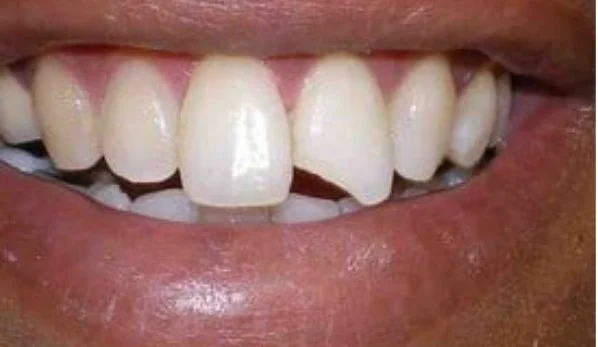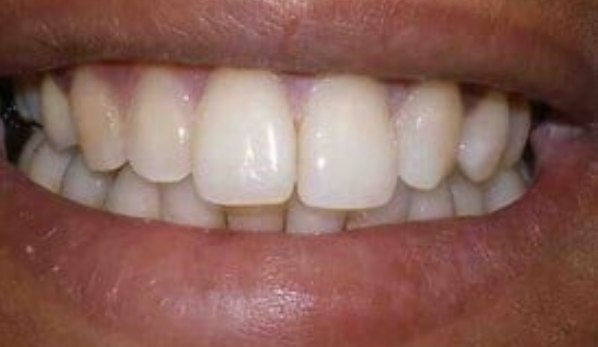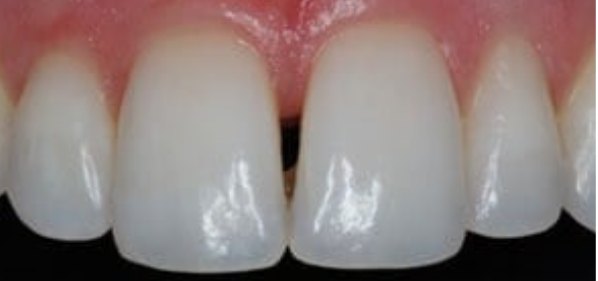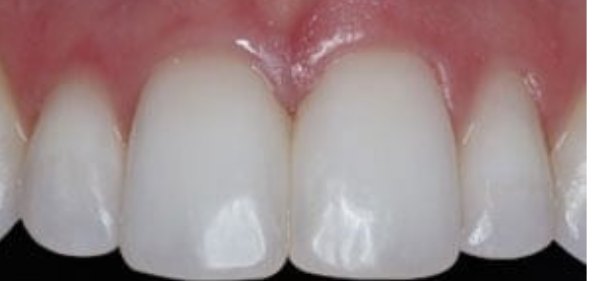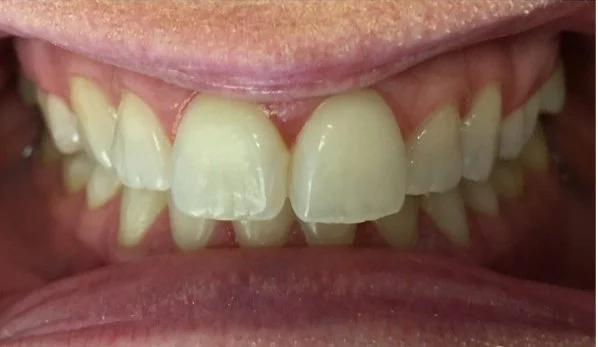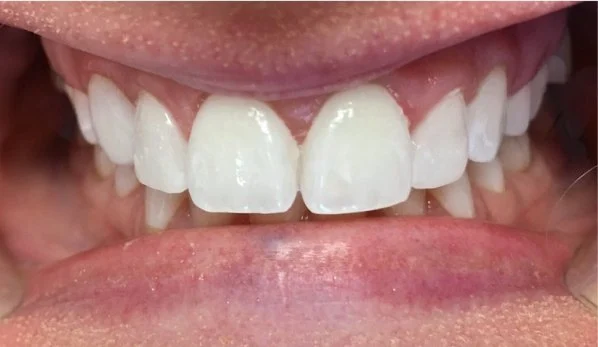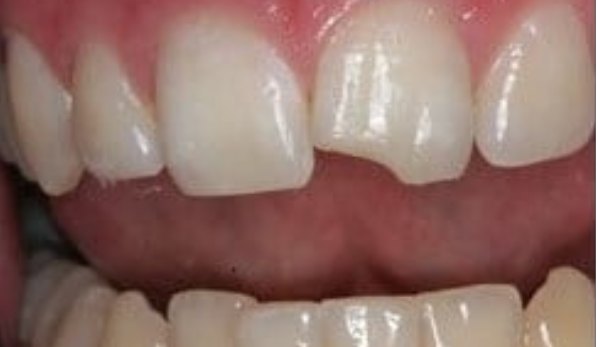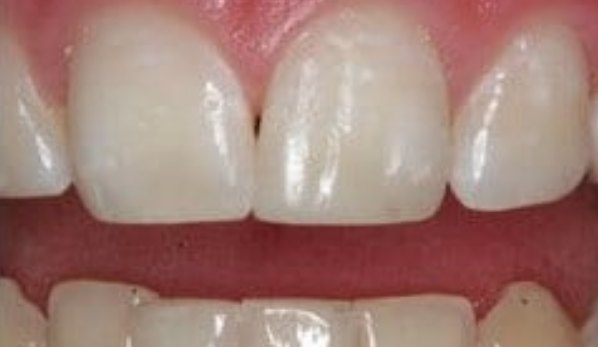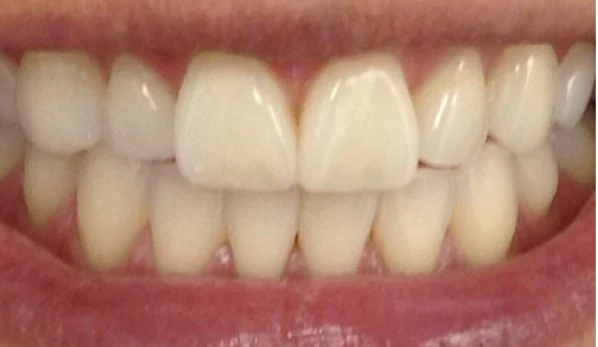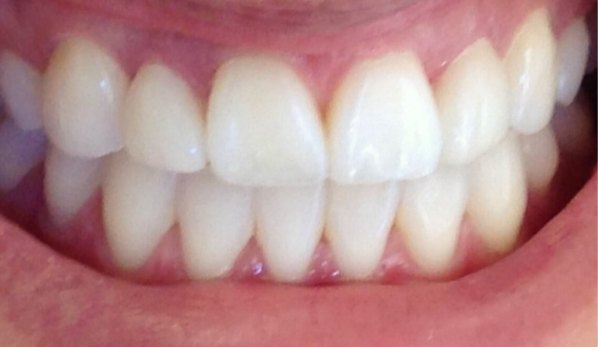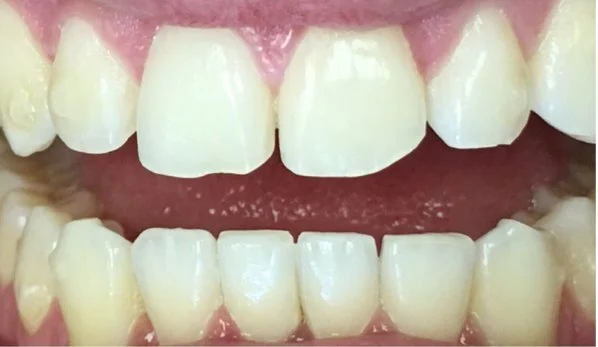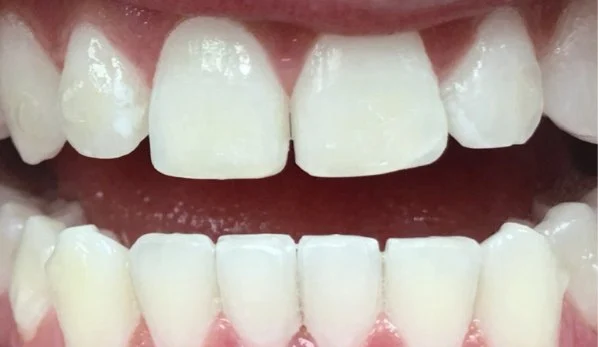

Artistry in a single visit.
Cosmetic dental bonding uses a high-strength composite resin, matched to the exact shade of your tooth, which is applied in thin layers, shaped by hand, hardened with a curing light, and polished to a natural enamel-like finish. Because it is added to the tooth rather than replacing part of it, bonding requires no drilling in most cosmetic cases and preserves all of your natural structure.
Dental contouring (also called enameloplasty) is the companion technique: a few tenths of a millimeter of enamel are gently smoothed to even out a jagged edge, soften a pointed canine, or correct a slightly long tooth. Combined, bonding and contouring let Dr. Veytsman reshape a smile in a single appointment without laboratory work.
Bonding is ideal for targeted, smaller changes. For larger transformations in color or alignment, porcelain veneers or a full smile makeover offer more durable and dramatic results, and Dr. Veytsman will tell you plainly which is right for you.
Bonding is the right choice when the concern is localized, one chipped tooth, a small gap, a couple of edges worn uneven, and the surrounding teeth are a color you are happy with. It is also a smart first step for younger patients, for anyone who wants to test a new shape before committing to porcelain, and for patients who prefer to avoid drilling entirely.
Because composite is a little less stain-resistant and less durable than porcelain, Dr. Veytsman generally recommends veneers when six or more front teeth need significant change, when deep discoloration is the main issue, or when heavy grinding would put bonding under constant stress.


Bonding is entirely freehand, which means the result depends completely on the dentist’s eye and hand. Dr. Veytsman, a trained portrait artist, layers composite the way a ceramist layers porcelain: a more opaque body shade first, then translucent enamel shades at the edge, then hand-carved surface texture so light reflects the way it does off natural enamel. The final polish is what makes the repair invisible.
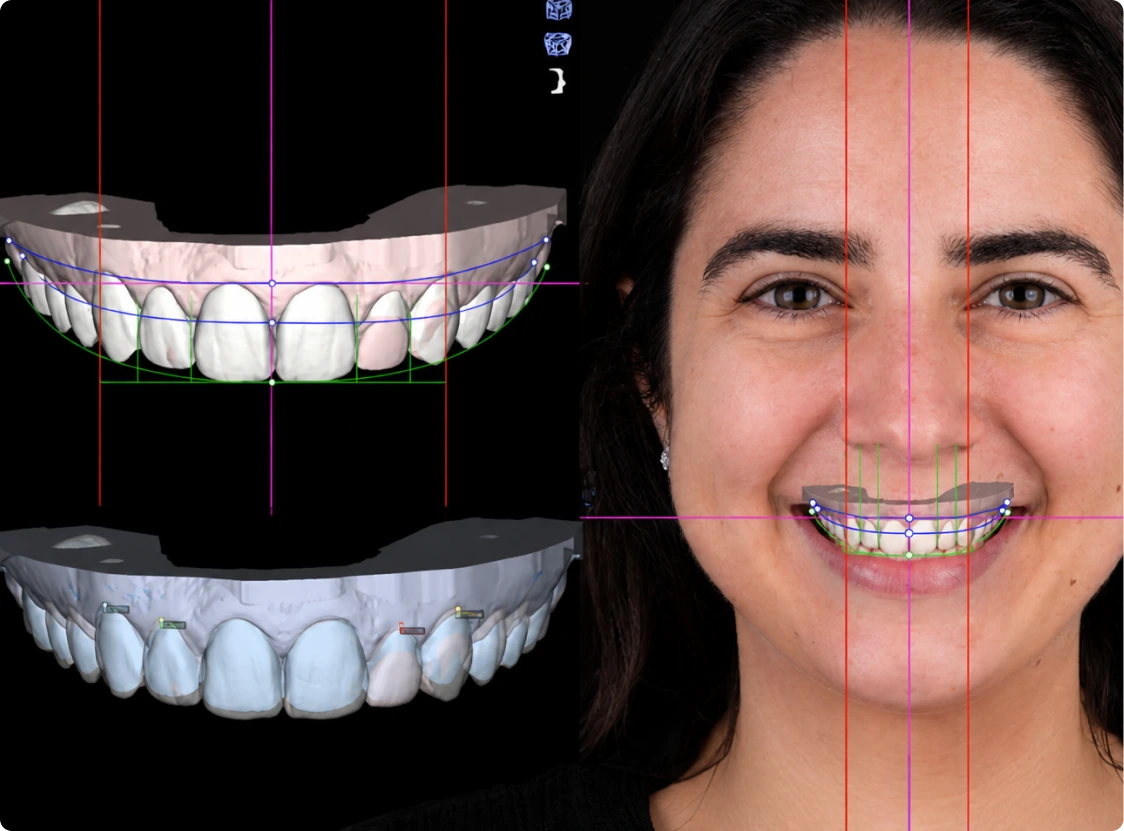
Even a single bonded tooth is designed in the context of the whole smile. Before treatment Dr. Veytsman photographs your face and evaluates how the tooth relates to its neighbors, your lip line, and your facial midline. A bonded edge that is one millimeter too long or too square is immediately visible; measured against your features, it disappears.
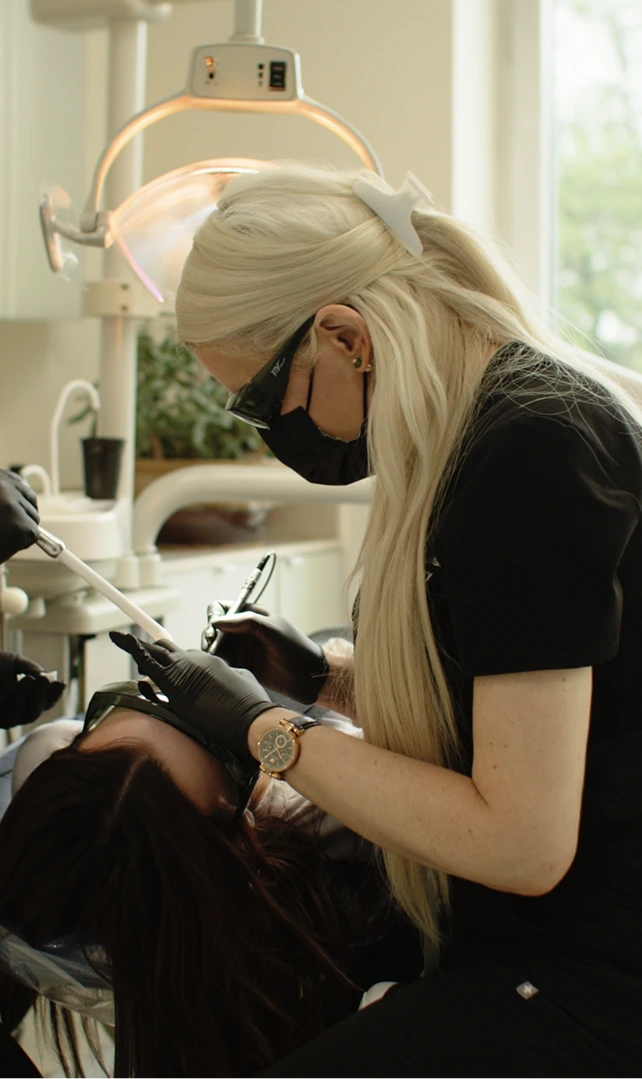
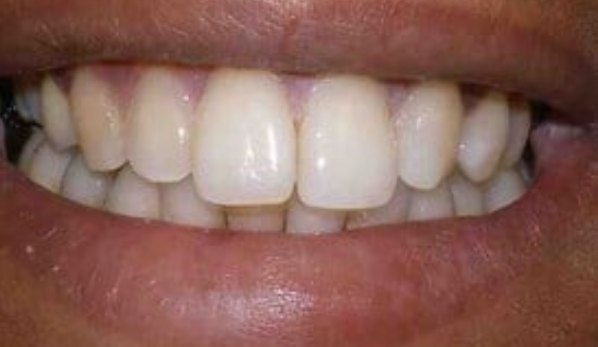
In one visit, bonding and contouring can address:
The result is immediate: you walk out with the repaired or reshaped tooth the same day.
For anything beyond a simple chip repair, Dr. Veytsman can first place an uncured mock-up of the new shape on your tooth, or design the change digitally on photographs of your smile. You see the proposed length and contour, changes are made in seconds, and only then is the final composite layered and cured. Because bonding is additive, it is also one of the safest ways to “try” a new smile shape before deciding on porcelain veneers.
Cosmetic bonding is the most conservative restorative treatment in dentistry. The composite is bonded to the surface of the tooth, so in most cases no enamel is removed and no anesthesia is required. If the bonding ever chips or stains years from now, it is simply repaired or replaced, and every other option, including veneers, remains open.
Conservative first is Dr. Veytsman’s standard, not a compromise.
Each technique has a place. Dr. Veytsman will recommend the one that gives you the result you want with the least intervention.
Adds composite to repair, lengthen, widen, or recolor a tooth. Same-day, no drilling, highly natural when layered well. Best for one to four teeth. Lasts roughly 5 to 10 years and is easily refreshed.
Removes a fraction of a millimeter of enamel to smooth a jagged edge, round a sharp corner, or even out length. Painless, a few minutes per tooth, and often combined with bonding to balance a smile in a single appointment.
Handcrafted porcelain that changes shape, length, and color at once. More durable and stain-resistant than composite, and the right choice for whole-smile change. See porcelain veneers and minimal prep veneers.

Composite that looks like a flat patch of white is bonding done quickly. Bonding that disappears is done in layers:
The best compliment for bonding is that no one notices it.
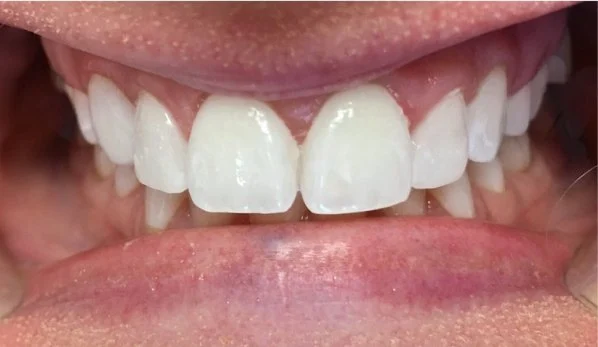

When several teeth need a change in color, length, or alignment, porcelain veneers give a more durable, more dramatic result than bonding alone. Learn how Dr. Veytsman plans them.
Related treatments: Porcelain Veneers · Minimal Prep Veneers · Smile Makeover & Digital Smile Design · Teeth Whitening · Invisalign · Before & After Gallery
Cosmetic dental bonding at Cosmetic Dental Studios typically ranges from $300 to $900 per tooth, depending on the size of the repair, the number of composite layers required, and the artistry involved in matching the surrounding teeth. Contouring alone is often included with bonding on the same tooth. Bonding to repair a fractured tooth may be partially covered by dental insurance; purely cosmetic bonding usually is not. Financing through CareCredit is available, and you will receive a written quote at your consultation.