

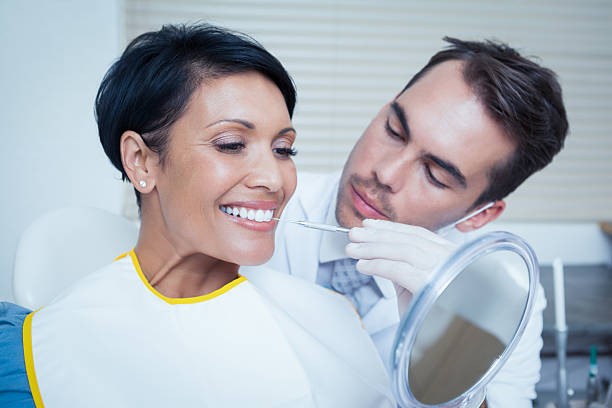
Cosmetic dentistry has steadily shifted toward a philosophy of preservation. Rather than aggressive procedures designed primarily for visual impact, today’s aesthetic dentistry increasingly emphasizes minimally invasive techniques that enhance the smile while protecting natural tooth structure. This evolution reflects advances in materials, technology, and a deeper understanding of long-term oral health.
Minimally invasive aesthetic dentistry focuses on achieving meaningful improvements with the least possible alteration to healthy enamel. Techniques such as conservative veneers, cosmetic bonding, enamel reshaping, and precision whitening allow dentists to refine smiles while maintaining structural integrity. Preserving enamel is particularly important because it contributes to tooth strength, sensitivity control, and long-term durability.
Material science has played a major role in this shift. Modern ceramics and composite resins closely replicate the appearance and behavior of natural enamel. These materials allow for thinner restorations, stronger bonding, and more life like aesthetics compared with earlier generations of cosmetic materials.
Technology supports precision planning as well. Digital imaging, 3D scanning, and advanced smile design software enable dentists to evaluate facial proportions, tooth structure, and bite dynamics before treatment begins. This level of analysis helps ensure conservative preparation while maintaining predictable aesthetic outcomes.
Another defining feature of minimally invasive dentistry is personalization. Every smile is unique, and treatment plans are tailored to individual anatomy, goals, and lifestyle. This customized approach often results in enhancements that feel subtle yet impactful.
Function remains a central consideration. Cosmetic improvements that respect bite alignment, jaw comfort, and speech patterns tend to last longer and feel more natural. Balancing aesthetics with function helps support both comfort and oral health.
Patient awareness has also increased. Many individuals now prioritize treatments that preserve natural biology while still achieving refined results. This aligns with broader healthcare trends emphasizing prevention, sustainability, and long-term wellness.
Maintenance is typically straightforward. Consistent oral hygiene, regular dental visits, and protective habits when recommended help maintain both aesthetics and tooth health.
Minimally invasive aesthetic dentistry represents the direction modern cosmetic care is heading — thoughtful, personalized, and grounded in preservation. By enhancing smiles without compromising natural structure, it offers a balanced path to confidence, health, and lasting aesthetic harmony.

About the Author
Dr. Victoria Veytsman, DDS
01.04.2026