

Cosmetic dentistry continues to evolve at a remarkable pace, driven by advances in technology, materials, and a deeper understanding of how oral health connects to overall wellbeing. What once focused primarily on appearance has expanded into a sophisticated blend of science, precision medicine, facial aesthetics, and long-term health considerations.
Digital dentistry is one of the most visible areas of innovation. High-resolution intraoral scanning, 3D imaging, and advanced smile design software allow dentists to plan treatments with exceptional accuracy. These tools make it possible to visualize outcomes before treatment begins, improving communication, predictability, and patient confidence.
Material science has also advanced significantly. Modern ceramics and composite materials are engineered to mimic natural enamel in strength, translucency, and light reflection. These materials are more durable, stain-resistant, and capable of delivering lifelike aesthetic results that hold up over time.
Artificial intelligence is beginning to influence diagnostics and treatment planning as well. AI-assisted imaging analysis can help detect subtle changes in tooth structure, gum health, and bite dynamics, supporting earlier intervention and more personalized care. While clinical expertise remains central, technology increasingly enhances decision-making.
Another emerging focus is minimally invasive dentistry. The priority today is preserving natural tooth structure whenever possible. Adhesive bonding systems, refined preparation techniques, and precision fabrication allow aesthetic enhancements with less intervention than in previous decades.
Biotechnology is also entering the conversation. Research into oral microbiome health, regenerative materials, and salivary diagnostics is expanding how dentistry approaches prevention and wellness. These developments reflect a growing recognition that oral health influences broader systemic health.
Patient experience innovations are equally important. Digital workflows often reduce treatment time, improve comfort, and streamline communication between dentist, laboratory, and patient. Many practices now emphasize a more personalized, concierge-style experience that prioritizes both clinical excellence and patient comfort.
Aesthetic trends are shifting as well. The focus has moved toward natural-looking results, individualized design, and facial harmony rather than standardized cosmetic ideals. Patients increasingly seek enhancements that look refined rather than obvious.
Cosmetic dentistry today sits at the intersection of technology, artistry, and health science. As innovation continues, the emphasis remains on precision, personalization, and long-term wellbeing — delivering smiles that are not only visually appealing but also supportive of overall oral health and confidence.
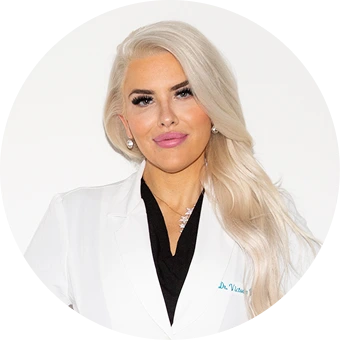
About the Author
Dr. Victoria Veytsman, DDS
10.04.2026