

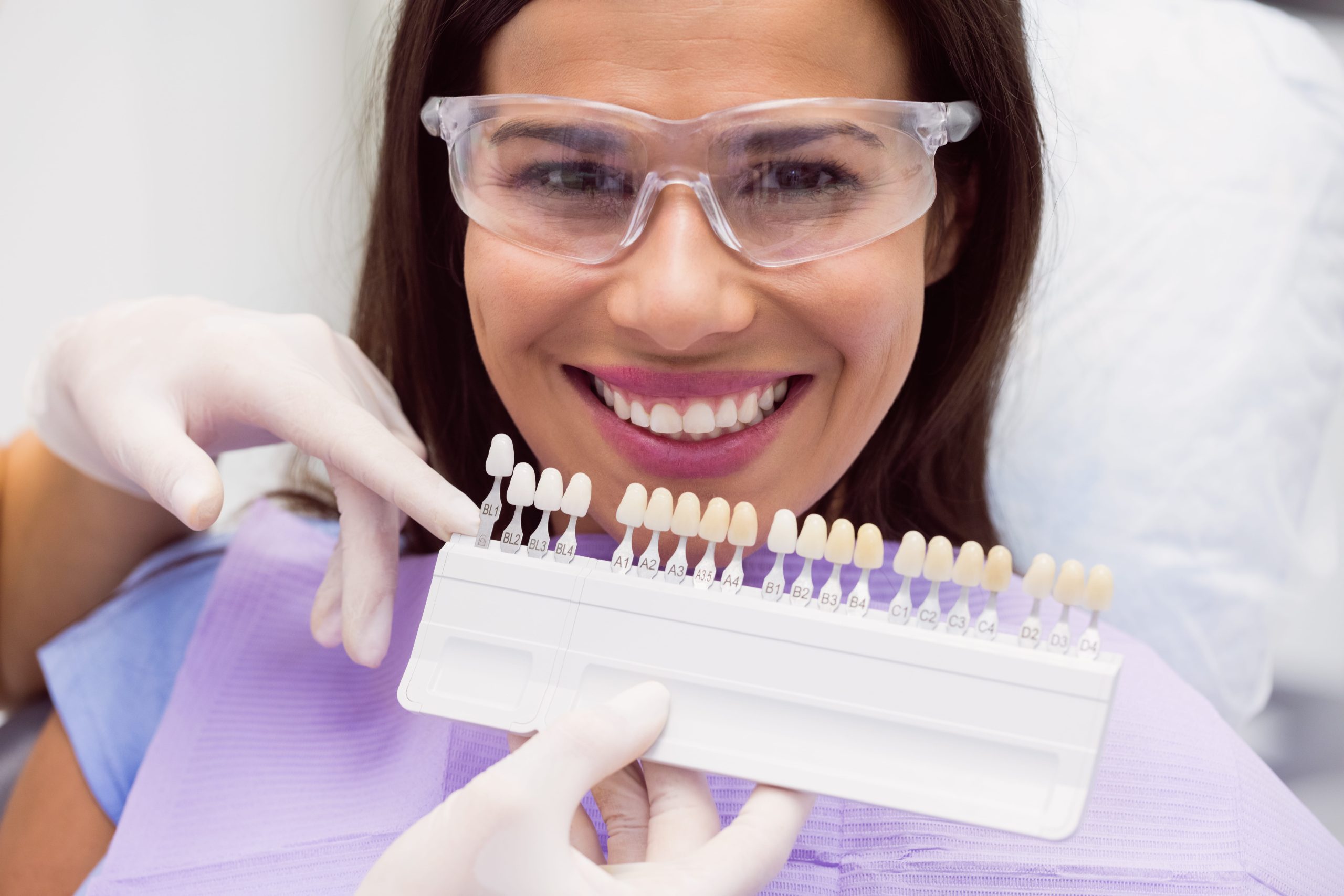
When patients explore cosmetic dentistry, one of the most common comparisons is porcelain veneers versus cosmetic bonding. Both treatments can enhance the appearance of teeth, improve symmetry, and brighten a smile — but they serve slightly different purposes. Understanding those differences helps patients choose the option that aligns best with their goals, lifestyle, and long-term expectations.
Porcelain veneers are thin ceramic restorations custom-crafted to cover the front surface of teeth. They are often chosen when patients want comprehensive aesthetic refinement — addressing discoloration, shape, spacing, mild alignment concerns, or wear patterns in a cohesive way. Because veneers are fabricated from advanced ceramics, they tend to resist staining, maintain brightness over time, and replicate the translucency of natural enamel with remarkable realism.
Cosmetic bonding, on the other hand, involves applying tooth-colored composite resin directly to the tooth surface. It can be an excellent option for small chips, minor gaps, subtle contour adjustments, or localized discoloration. Bonding typically requires little to no tooth preparation and can often be completed in a single visit, making it appealing for patients seeking quick, conservative enhancements.
Durability is another consideration. Porcelain veneers generally offer greater longevity and stain resistance, especially for patients looking for a more comprehensive smile upgrade. Cosmetic bonding, while effective, may require periodic polishing, maintenance, or replacement over time depending on habits such as coffee consumption, smoking, or bite pressure.
Aesthetic precision also differs slightly. Veneers are created in collaboration with dental laboratories using layered ceramics, allowing for nuanced control over translucency, brightness, and surface texture. Bonding is sculpted directly by the dentist chairside, which requires artistic skill but may not achieve the same long-term optical stability as ceramics.
That said, bonding has clear advantages in certain situations. It is often more conservative, more affordable, and ideal for patients who want incremental improvements without committing to a more comprehensive cosmetic treatment.
The best choice ultimately depends on individual goals, oral health, bite dynamics, and aesthetic priorities. A thorough consultation helps determine which approach offers the most balanced outcome.
Both veneers and cosmetic bonding reflect how far modern dentistry has come — offering flexible, personalized solutions that enhance smiles while supporting comfort, confidence, and long-term oral health.

About the Author
Dr. Victoria Veytsman, DDS
31.03.2026